Indian education is going through one of its most important phases of change. Schools, colleges, teachers, parents, and policymakers are all looking at how learning can become more meaningful, inclusive, skill-based, and future-ready. For parents exploring top schools in Bangalore, understanding these changes is important because the future of education will depend not only on academic results, but also on how well institutions prepare students for real life.

Understanding the Changing Landscape of Indian Education
The Indian education system is no longer limited to textbooks, examinations, and classroom teaching alone. Today, there is a stronger focus on conceptual understanding, digital learning, vocational exposure, life skills, emotional well-being, and career readiness. Schools and higher education institutions are expected to prepare students for a world that is changing quickly through technology, global careers, and new skill demands.
According to the UNESCO, the adult literacy of India rate stood at 81.7% in 2023. As of 2026, India’s literacy rate places itbelow the global average of 86.3%.
Key Challenges Facing Schools and Higher Education Today
Indian education’s challenges are well-documented but worth naming clearly, because accurate diagnosis is the prerequisite for effective response. The most significant structural challenges currently facing the system include:
- Learning outcome gaps — A substantial proportion of students’ progress through grades without achieving the foundational literacy and numeracy competencies their grade level assumes.
- Quality variation — Enormous disparities in educational quality exist between urban and rural schools, between well-resourced and under-resourced institutions, and between states with strong education governance and those without.
- Assessment narrowness — High-stakes examination systems that reward memorisation over understanding continue to dominate, despite broad consensus that this needs to change.
- Teacher quality and motivation — Significant variation in teacher quality, compounded by inadequate professional development and support systems that fail to help good teachers improve or struggling teachers recover.
- Relevance gap — A persistent mismatch between what formal education produces and what higher education institutions and employers actually need.
Balancing Academic Excellence with Skill-Based Learning
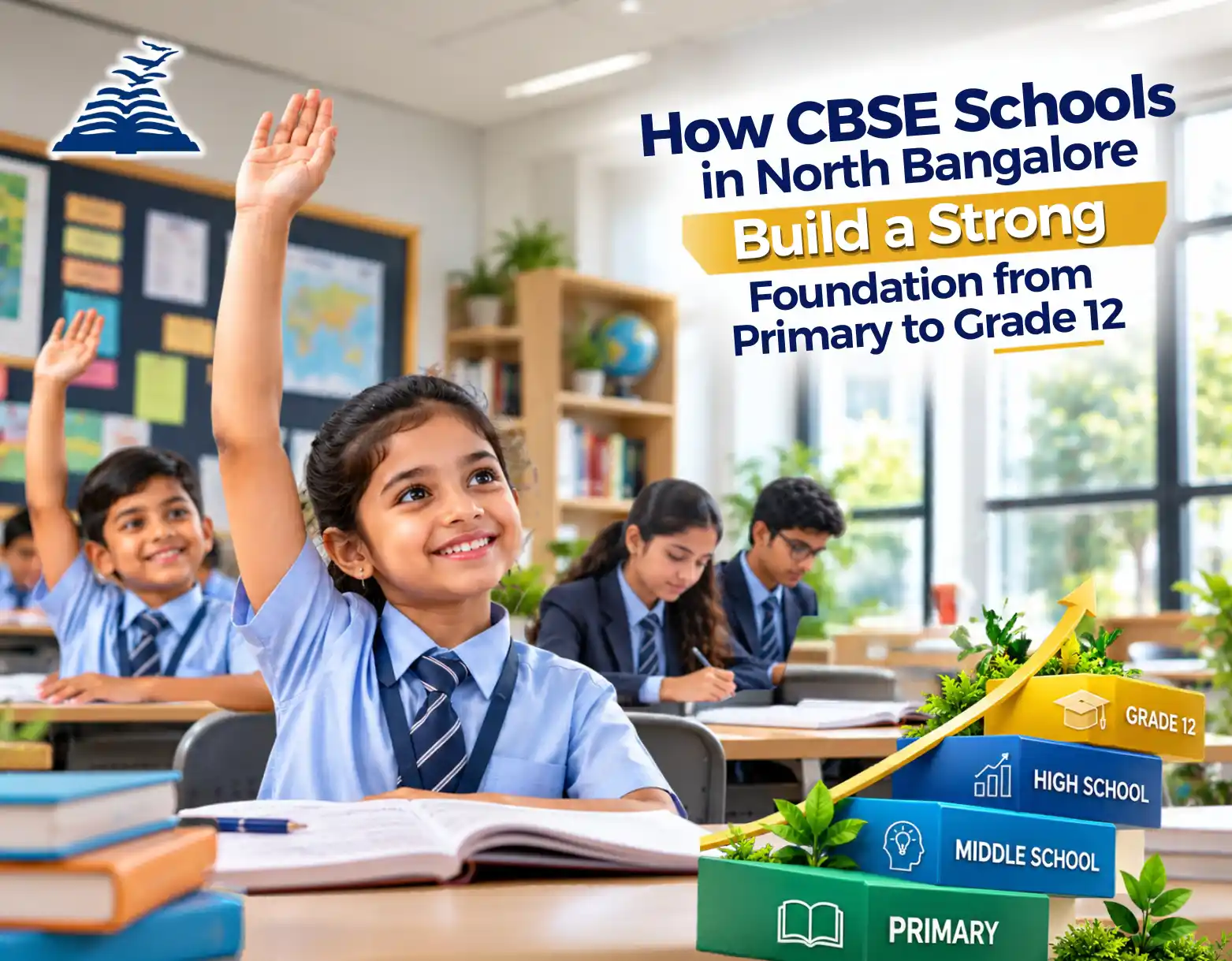
Academic performance continues to matter, but marks alone are no longer enough. Students also need communication skills, problem-solving ability, creativity, teamwork, leadership, digital literacy, and adaptability. The best schools in Bangalore understand that true education must prepare students not only for exams, but also for higher studies, careers, and everyday decision-making.
Role of NEP 2020 in Transforming Indian Education
The National Education Policy 2020 has brought a strong shift in the way India looks at education. It focuses on foundational learning, flexibility, multilingual education, vocational exposure, holistic development, and reduced dependence on rote memorisation. NEP 2020 encourages schools to move towards learning that is practical, inclusive, and connected to real-world needs.
Challenges and Opportunities in Indian Education
| Current Challenge | Future Opportunity |
| Learning gaps | Strong foundational learning programmes |
| Digital divide | Wider access to technology-enabled education |
| Rote learning | Competency-based and experiential learning |
| Exam pressure | Balanced assessment and student well-being |
| Limited career exposure | Vocational education and skill development |
| Unequal access | Inclusive and equitable learning environments |
| Teacher training gaps | Continuous professional development |
How Presidency School Bangalore North is Turning Current Challenges into Future Opportunities in Indian Education
Indian education today stands at a remarkable and defining crossroads, grappling with significant challenges including learning outcome gaps, digital divide concerns, evolving curriculum demands, and the pressing need for truly skilled and future-ready graduates, while simultaneously presenting extraordinary opportunities for visionary institutions to lead transformative change, and Presidency School Bangalore North has positioned itself as a bold, inspired, and exceptionally capable leader in this crucial national educational conversation.
Fully acknowledging the multifaceted challenges facing Indian education, Presidency School Bangalore North has proactively invested in highly qualified faculty development, cutting-edge digital infrastructure, inclusive classroom practices, and progressive CBSE curriculum implementation. The school brilliantly harnesses the enormous opportunities presented by NEP 2020 reforms, educational technology advancements, competency-based learning frameworks, and growing awareness of holistic child development to continuously elevate the quality, relevance, and transformative impact of education delivered across every grade level with unwavering commitment and visionary purpose.
Presidency School Bangalore North student is comprehensively equipped to seize the remarkable professional and academic opportunities that India’s rapidly evolving knowledge economy is increasingly creating for well-educated, skilled, and adaptable young individuals.
Conclusion
Indian education stands at a genuinely significant crossroads carrying the weight of longstanding structural challenges while holding the promise of transformative reform. The gaps in learning outcomes, quality, and relevance are real and well-documented, but so are the opportunities that NEP 2020, technology integration, and a growing national consensus around skill-based learning are beginning to unlock.
For schools, the path forward requires more than policy compliance it demands a genuine shift in educational philosophy, from institutions that deliver content to institutions that develop capability. For parents, particularly those evaluating schools in cities like Bangalore, the most important question is no longer simply which school has the best results, but which school is genuinely preparing children for a world that rewards adaptability, critical thinking, and continuous learning.
Indian education stands at a turning point. While challenges remain, the opportunities ahead are powerful. With the right focus on foundational learning, teacher development, technology, inclusion, mental health, and skill-based education, India can build an education system that prepares students not just for exams, but for life, careers, and the future.