Teaching young children’s letters, numbers, and basic concepts at home is one of the most rewarding experiences for any parent. With the right approach, learning can feel natural, enjoyable, and stress-free. Many Top schools in Bangalore encourage parents to build early literacy and numeracy skills through simple routines and playful interactions, because home is the child’s first classroom and parents are their first teachers. When learning is woven into everyday moments, children absorb concepts more quickly, remember them better, and develop confidence at an early age.
Creating a warm, supportive, and playful atmosphere helps children stay curious and engaged. With consistent encouragement, hands-on exploration, and meaningful conversations, parents can make early learning a joyful journey that prepares children for preschool and beyond. Schools such as the Top CBSE schools in Bangalore and the Best CBSE Schools in Bangalore often share home-learning strategies with parents because these early experiences form the foundation for future academic success.
1. Creating a Fun and Supportive Learning Environment
Young children learn best when they feel happy, secure, and excited to explore. A cozy reading corner, a small learning table, or even a comfortable spot on the floor can become a perfect learning space. A relaxed environment boosts focus and reduce fear or pressure. When learning is associated with fun, children are more likely to remember concepts. Parents can incorporate music, colours, and simple games to make each session enjoyable. This supportive approach aligns with how the top 10 CBSE schools in Bangalore promote early childhood learning through curiosity, positivity, and warmth.
2. Introducing Letters Through Playful Activities
Children do not need rigid lessons to learn the alphabet. Instead, alphabet songs, rhymes, colourful flashcards, and interactive storybooks make learning joyful. Singing the ABC song every day, pointing out letters on book covers, or identifying alphabets in signboards can help children pick up letters naturally. These playful methods reflect how educators in top play schools in Bangalore introduce literacy in a way that feels like play rather than study.
3. Connecting Letters to Real-Life Objects
Letter recognition strengthens when children can associate letters with familiar items. Pointing out “A for apple” at the dining table, “B for ball” during playtime, or “M for milk” in the kitchen helps children understand letters in context. This method supports letter recognition activities used in many Montessori schools in Bangalore, where real-life connections are an essential part of conceptual learning. By linking letters to everyday objects, parents reinforce both language and memory without formal lessons.
4. Teaching Numbers Through Hands-On Exploration
Just like letters, numbers become meaningful when connected to real experiences. Counting toys, stacking blocks, stairs climbed, or biscuits on a plate helps children understand quantity. Parents can ask, “How many spoons should we put on the table?” or “Can you give me three crayons?” These everyday counting moments make numeracy fun and effortless. This approach aligns with strategies shared in preschools in Bangalore, where number sense grows through active engagement.
5. Making Use of Visual Aids for Better Understanding
Visual tools such as alphabet charts, magnetic letters, number boards, and picture books make learning more interactive. Bright visuals catch attention and help reinforce recognition. Placing a chart near the child’s play area or using magnetic letters on the refrigerator can turn casual moments into learning opportunities. These aids reflect the early-learning practices of the Best CBSE School in North Bangalore, where visuals are a powerful tool in concept reinforcement.
6. Using Daily Routines to Teach Concepts
Daily routines are filled with natural teaching moments. Bath time is perfect for naming colours of toys, mealtime can be used to discuss shapes of plates or fruits, and getting dressed can introduce sizes like big and small. During grocery shopping, parents can point out numbers on price tags or letters on packaging. These little conversations show children that learning is everywhere, turning ordinary routines into meaningful lessons on shapes, colours, and sizes. Such learning is what educators in the top CBSE schools in Bangalore call “incidental learning” learning that happens naturally without a formal lesson.
7. Strengthening Fine Motor Skills for Writing Readiness
Before children learn to write letters and numbers, they need strong fine motor skills. Activities like colouring, tracing lines, squeezing play dough, threading beads, tearing paper, and clay modelling help improve hand control and finger strength. These skills are essential for alphabets formation later on. When parents encourage these activities, they prepare children for future writing tasks, just like teachers in the top play schools in Bangalore do during pre-writing sessions.
8. Introducing Shapes, colours, and Patterns Creatively
Sorting blocks by colour, matching socks during laundry, identifying shapes in picture books, or drawing patterns in sand can make early concept learning enjoyable. Children enjoy learning when activities involve movement and hands-on exploration. These creative experiences reflect the play-based learning approach followed in many Montessori schools in Bangalore, where discovery and experimentation are central to early education.
9. Encouraging Questions and Conversations
Talking to children about what they see, hear, or feel expands vocabulary and comprehension. Encouraging children to ask questions and giving patient, simple answers help them understand the world better. For example, when a child asks, “Why is the sky blue?” or “What letter does ‘dog’ start with?” parents can guide them gently toward discovery. Conversations are one of the most effective ways to build language skills and are highly recommended by the best schools in Bangalore for early learning.
10. Keeping Learning Consistent and Fun
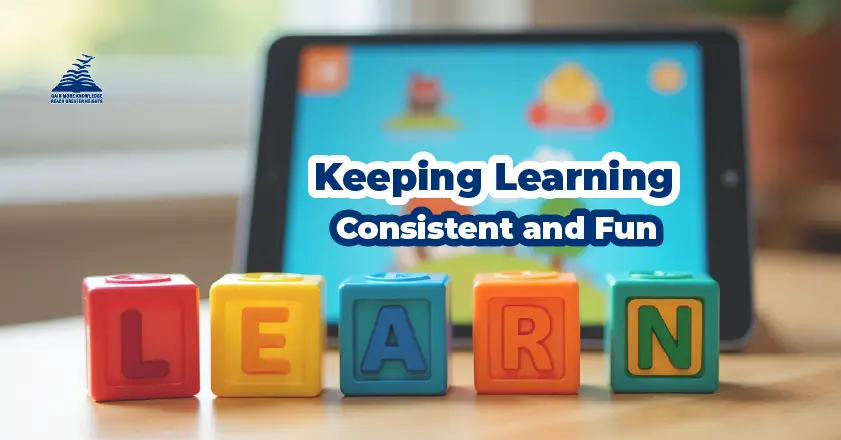
Short daily learning routines, even just 10–15 minutes, are more effective than long sessions. The goal is to keep learning light, consistent, and enjoyable. When children are exposed to letters, numbers, and basic concepts regularly, they build familiarity and confidence without pressure. This steady approach reflects the teaching philosophy of the top CBSE schools in Bangalore, where balance and consistency guide early education.
Early Learning Excellence at Presidency School Bangalore North
At Presidency School Bangalore North, early learning is thoughtfully nurtured through engaging classroom experiences, interactive activities, and a child-centered approach that mirrors the best practices followed by leading global institutions. By blending structured learning with exploration, creativity, and emotional development, the school ensures that every young learner builds strong foundational skills that prepare them confidently for higher grades.
With its caring educators, modern infrastructure, and commitment to holistic growth, Presidency School Bangalore North truly stands out as a place where early curiosity is transformed into lifelong learning.
Conclusion
Teaching letters, numbers, and basic concepts at home doesn’t require complex materials or formal lessons. With patience, creativity, and simple daily interactions, parents can help children build strong early learning skills while enjoying quality time together. When learning feels like play, children remain curious, motivated, and confident traits highly valued in the top schools in Bangalore and essential for long-term academic success.